
Regular car servicing represents one of the most important aspects of vehicle ownership, yet many drivers remain uncertain about appropriate service intervals. Should you follow manufacturer recommendations strictly, or does your driving style affect timing? Understanding when and why to service your vehicle helps maintain reliability, preserves resale value, and prevents costly breakdowns.
Standard Service Intervals Explained
Most modern vehicles require servicing every 12 months or 12,000 miles, whichever arrives first. This represents the industry standard balancing maintenance needs against practical ownership costs. Manufacturers determine these intervals through extensive testing, ensuring vehicles receive necessary attention before components deteriorate significantly. However, service requirements vary considerably between manufacturers and models. Some brands recommend servicing every 10,000 miles, whilst certain vehicles with advanced synthetic oils extend intervals to 15,000-18,000 miles or even two years for low-mileage drivers. Always consult your vehicle handbook for specific manufacturer recommendations tailored to your car’s engineering.
Older vehicles, particularly those exceeding ten years, often benefit from more frequent servicing every 6,000-8,000 miles or annually. Aging components require closer monitoring, and regular maintenance prevents minor issues escalating into major failures.
Understanding Different Service Types
Car servicing isn’t one-size-fits-all. Garages typically offer several service levels addressing different maintenance needs and budgets. Interim services, recommended every 6,000 miles or six months, provide basic health checks including oil and filter changes, fluid level inspections, and essential safety checks. These suit high-mileage drivers or those wanting additional peace of mind between full services.
Full services, the standard annual maintenance requirement, involve comprehensive inspections covering all major systems. Mechanics examine brakes, suspension, steering, exhaust systems, lights, and dozens of other components whilst replacing engine oil, oil filters, air filters, and sometimes cabin filters.
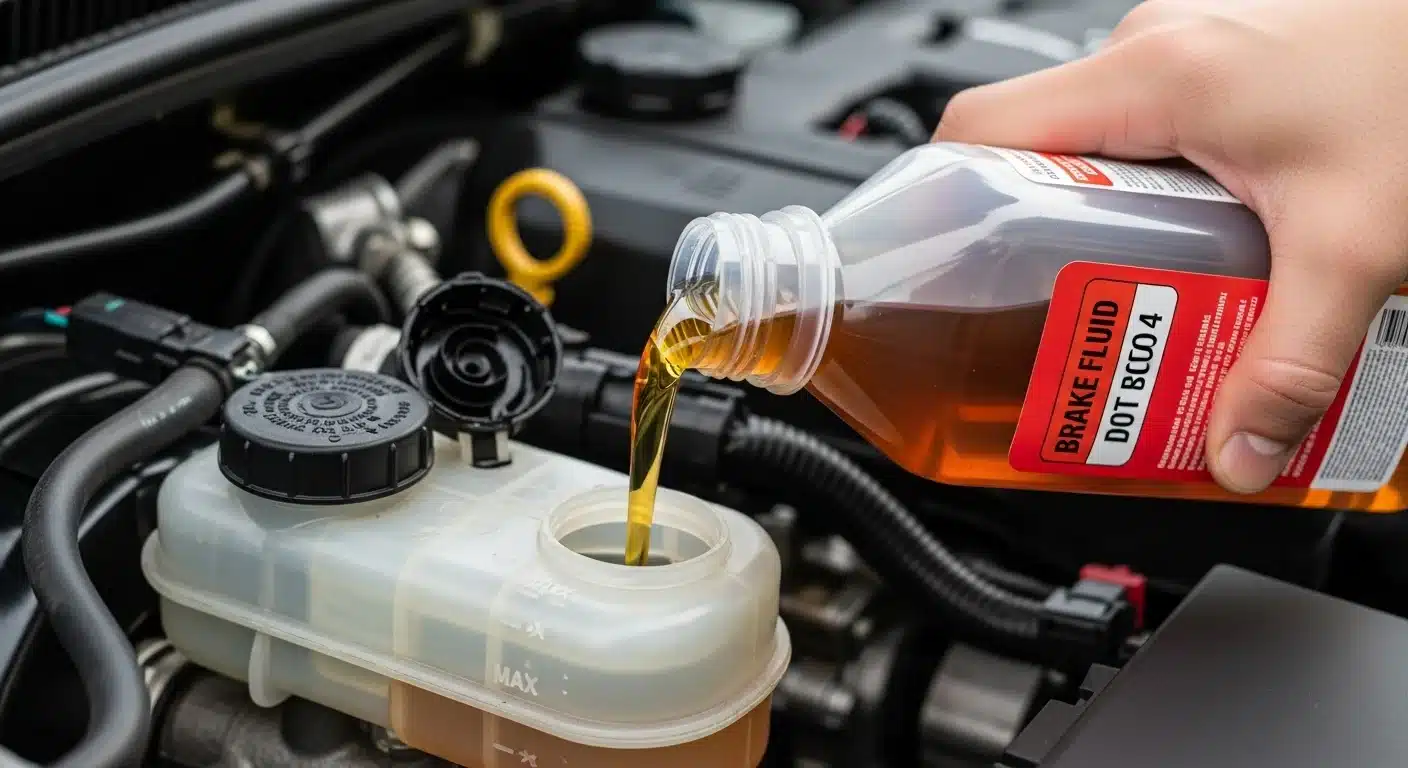
Major services, typically required every two years or 24,000 miles, include everything from full services plus additional items like spark plug replacement, fuel filter changes, coolant replacement, and brake fluid renewal. These more extensive procedures address components requiring less frequent attention.
Factors Affecting Service Frequency
Your driving patterns significantly influence optimal service intervals. Urban driving involving frequent short journeys, stop-start traffic, and cold engine starts proves harder on vehicles than motorway cruising. Engines rarely reach optimal operating temperatures during brief trips, preventing complete combustion and causing increased wear. If you predominantly make short journeys under five miles, consider servicing every 6-8 months regardless of mileage. Similarly, frequent towing, carrying heavy loads, or spirited driving accelerates component wear, justifying more frequent maintenance.
Environmental conditions matter too. Coastal areas expose vehicles to salt-laden air accelerating corrosion, whilst dusty rural environments clog filters more rapidly. Extreme temperature fluctuations stress various systems, potentially requiring closer monitoring.
Between-Service Vehicle Care
Regular servicing doesn’t eliminate owner responsibility for ongoing maintenance. Monthly checks of tyre pressures, fluid levels, lights, and general condition help identify developing problems early. Addressing small issues promptly prevents them escalating into service-interrupting failures.
Pay attention to unusual noises, warning lights, or performance changes. These symptoms often signal problems requiring immediate attention rather than waiting for scheduled services. Ignoring warning signs risks serious damage and potentially dangerous situations.
Choosing Service Providers Wisely
Service quality varies dramatically between providers. Franchised dealers offer manufacturer-trained technicians, genuine parts, and warranty protection but typically charge premium prices. Independent garages provide excellent value whilst maintaining high standards, particularly those belonging to recognised trade bodies.
Fast-fit chains suit basic services and quick maintenance, though they may lack expertise for complex diagnostics or specialist repairs. Research thoroughly, reading reviews and seeking recommendations before committing.
Investment in Longevity
Regular servicing represents investment rather than expense. Well-maintained vehicles deliver superior reliability, better fuel economy, lower emissions, and extended operational life. The modest annual service cost proves insignificant compared to depreciation minimisation and major repair avoidance.
Is your car due for service, or unsure about your vehicle’s maintenance needs? Our experienced technicians provide comprehensive servicing for all makes and models, using quality parts and following manufacturer specifications precisely. We offer transparent pricing, detailed service reports, and honest advice about your vehicle’s condition. Book your service today and enjoy the peace of mind that comes with professional vehicle care- because reliable motoring starts with regular maintenance!