
Most of these failures aren’t expensive mechanical problems. They’re small, avoidable issues that a five-minute check could have caught before test day.
Knowing exactly where cars fail most often means you know exactly where to look first, instead of guessing and hoping for the best on test morning.
Lighting Faults Cause Nearly 1 in 4 Failures
Lighting and electrical faults are the single biggest reason UK cars fail their MOT. DVSA’s most recent full-year data shows lamps, reflectors, and electrical equipment account for roughly a quarter of all recorded failures.
This usually isn’t a wiring problem. It’s a blown bulb in a headlight, brake light, indicator, or number plate light that nobody noticed before the test. Walk around your car with the engine running and check every light works, including the number plate bulb people often forget.
Suspension Is the Second Biggest Category
Suspension problems account for just over a fifth of all recorded MOT failures, making this the second largest category, ahead of both brakes and tyres.
This one’s harder to self-check, since worn bushes, dampers, and ball joints aren’t visible from the driveway. If your car feels bouncier than usual over speed bumps, or you hear knocking over rough roads, get it looked at before your test date, not after a failure.
Brakes and Tyres Round Out the Top Five
Brakes cause roughly 13% of all failures, the third-largest category. Within that, a handbrake that doesn’t hold the car securely is one of the single most frequently flagged faults across UK models.
Tyres are close behind, and they’re one of the easiest faults to catch yourself. Tread depth below the legal limit shows up in analyses of DVSA records as one of the most common individual failure items, cutting across almost every make and model. A 20p coin pushed into the tread groove is a genuinely reliable way to spot a tyre that’s borderline, since you’ll see the outer band of the coin if the tread’s too shallow.
Visibility Failures Are Easy to Miss
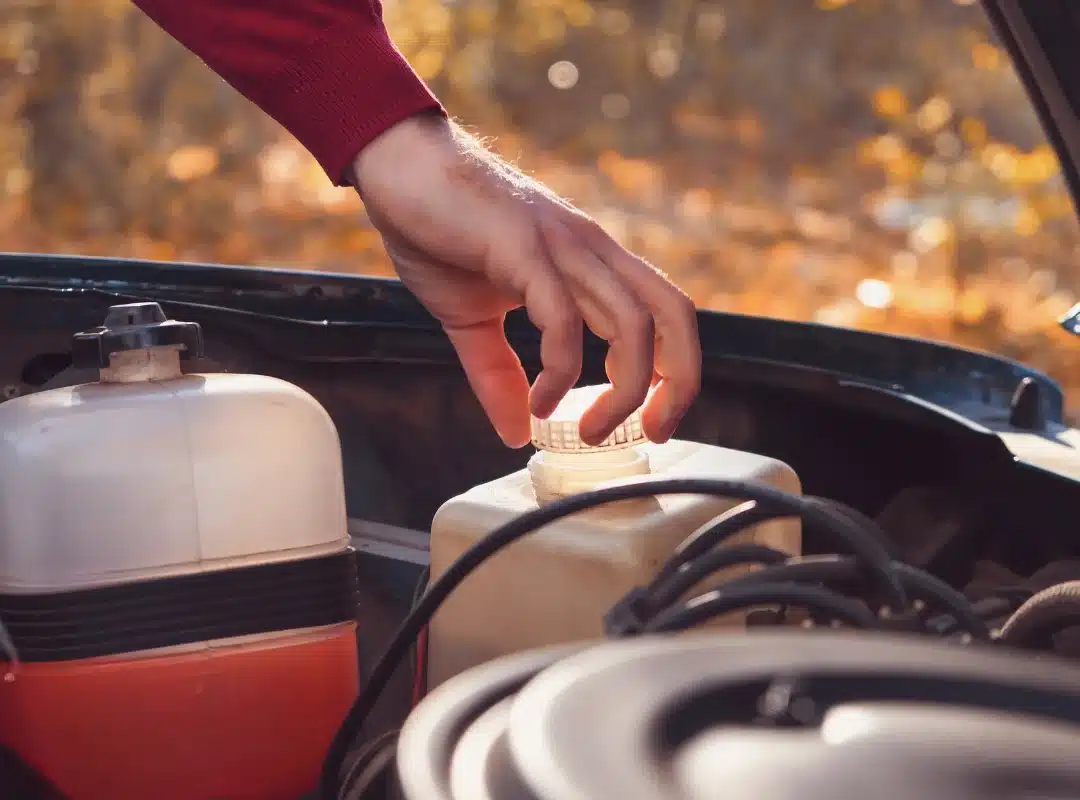
Windscreen washers that don’t provide enough cleaning fluid, along with worn or smearing wipers, appear consistently in the top failure categories. It’s a two-minute check: top up the washer fluid and run both wipers before you drive in.
Not Every Fault Is Graded the Same Way
Since 2018, MOT testers have graded every fault as Dangerous, Major, or Minor, not just pass or fail. A Dangerous defect means the car is unsafe to drive away at all, even to get it fixed.
Tyres show up disproportionately in the Dangerous category. Independent analysis of DVSA data suggests tyre-related problems account for a large majority of all Dangerous-rated defects, which is a strong sign that a “borderline” tyre is riskier than most drivers assume. A Minor fault, by contrast, still needs fixing but won’t stop you driving home.
Why So Many Cars Fail First Time
DVSA’s most recent quarterly figures put the overall initial failure rate for cars and light vans at just over 27%. Other independent analyses of the full dataset put first-attempt failure rates closer to a third of all cars tested. Either way, that’s not because UK drivers own badly built cars. It’s because these checks get skipped between annual services.
How to Cut Your Odds of Failing
- Walk around the car and test every light, including the plate and fog lights.
- Check tread depth on all four tyres with a coin or gauge, not by eye.
- Top up washer fluid and confirm both wipers clear the screen properly.
- Listen and feel for unusual knocking or bounce over speed bumps.
- Test your handbrake on a slope, not just on flat ground.
Booking a pre-MOT check with KMT Services catches most of these before the tester does, so you’re not paying for a retest over a bulb or a tyre that could have been sorted the week before.
Quick Answers
What is the single most common reason cars fail their MOT?
Lighting and electrical faults, mainly blown bulbs, make up the largest single failure category in the UK.
Can I fix a lighting fault myself before my MOT?
Yes. Most bulb replacements take minutes and don’t need any tools beyond what comes with the car.
How much tyre tread do I need to pass?
UK law requires at least 1.6mm of tread depth across the central three-quarters of the tyre, all the way round.