
Most people drop their car off in the morning and collect it once the test is done. Some garages let you wait on-site while the inspection is carried out.
What Does an MOT Tester Actually Check?
The tester works through a fixed list of safety and environmental checks. These cover your brakes, tyres, lights, mirrors, seatbelts, wipers, steering, suspension, and exhaust system. The engine, clutch, and gearbox are not tested.
A typical inspection breaks down like this:
- Setup and initial checks: 5-10 minutes
- Full physical inspection: 30-40 minutes
- Paperwork and certificate: 5-10 minutes
That puts most standard cars at 45-60 minutes total – assuming no faults are found.
What Makes an MOT Take Longer Than an Hour?
Several things can push your MOT past the 60-minute mark.
Vehicle type matters. Vans, 4x4s, and motorhomes take longer than standard cars. They have more components to check and more surface area to cover.
Walk-ins wait longer than pre-booked slots. When you book in advance, your bay is reserved and the test starts on time. Walk-in customers wait until a slot opens up. Book ahead to avoid this delay.
Minor repairs add 15-60 minutes. Moderate repairs – like a worn exhaust or brake pads – can take 1-2 hours on top of the test. Major structural issues may mean leaving your car overnight.
How Long Does an MOT Take If Your Car Fails?
Around 30-40% of cars fail their first MOT attempt. The most common reasons are blown bulbs, worn tyres, and damaged wipers – all avoidable with a quick check the night before.
If your car fails, the retest itself only takes 10-20 minutes. The tester re-checks the failed components only – not the full inspection again. But you need the repairs done first, which is where the time adds up.
One thing worth knowing: if you leave your car at the test centre for repairs, your retest is free – as long as it is completed within 10 days (MoneyHelper, 2024).
How to Keep Your MOT as Short as Possible
Preparation makes a real difference. Run through these checks the night before your appointment:
- Lights – Replace any blown bulbs before you arrive.
- Tyres – Check tread depth is at least 1.6mm. Insert a 20p coin into the grooves: if the outer band is visible, the tread is too low.
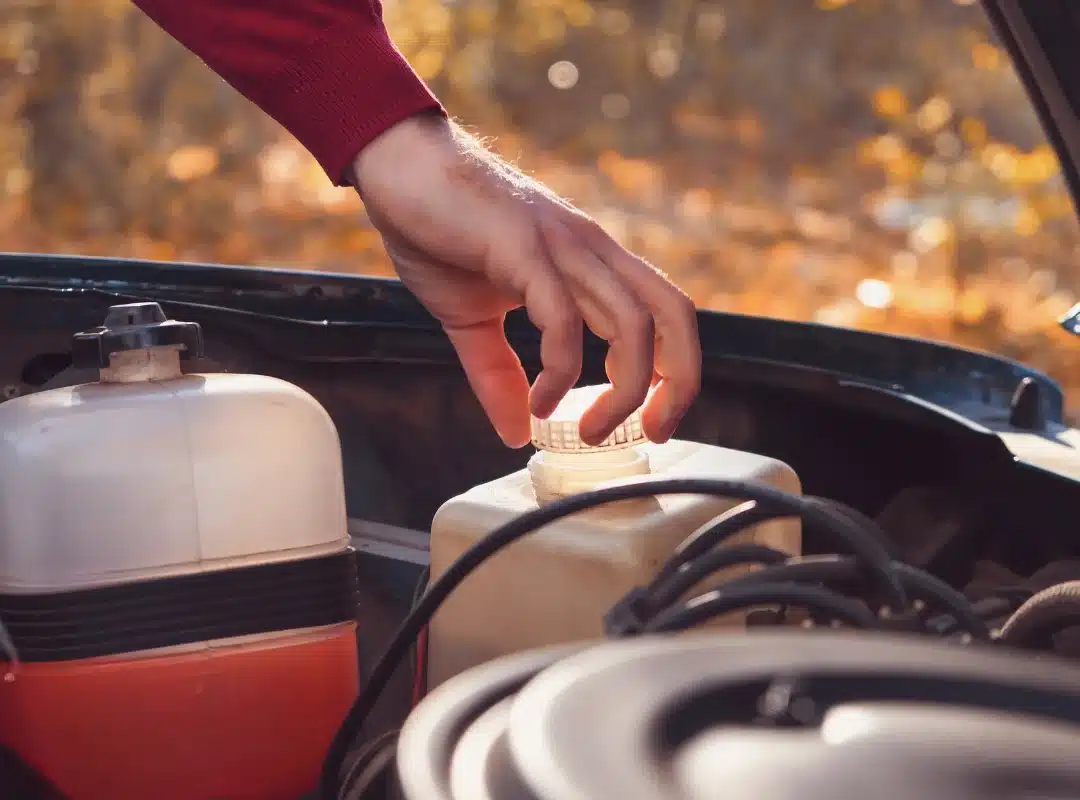
- Fluids – Top up screenwash, engine oil, and brake fluid.
- Wipers and horn – Test both and replace worn wiper blades.
- Car cleanliness – Clear clutter so the tester can reach all areas of the vehicle.
A well-prepared car passes faster and costs less.
What to Expect on MOT Day
Set aside at least one hour if your car is well-maintained. Add extra buffer time if it is older or hasn’t been serviced recently. Most test centres allow you to wait on-site while the inspection runs.
You can book your MOT up to one month (minus one day) before your current certificate expires – and still keep the same renewal date for next year. Book 1-2 weeks ahead to secure a slot that fits your schedule.